
Behind the Scenes
Before a Collection Is Born: From a Scrap of Fabric to a Finished Set
7 min read
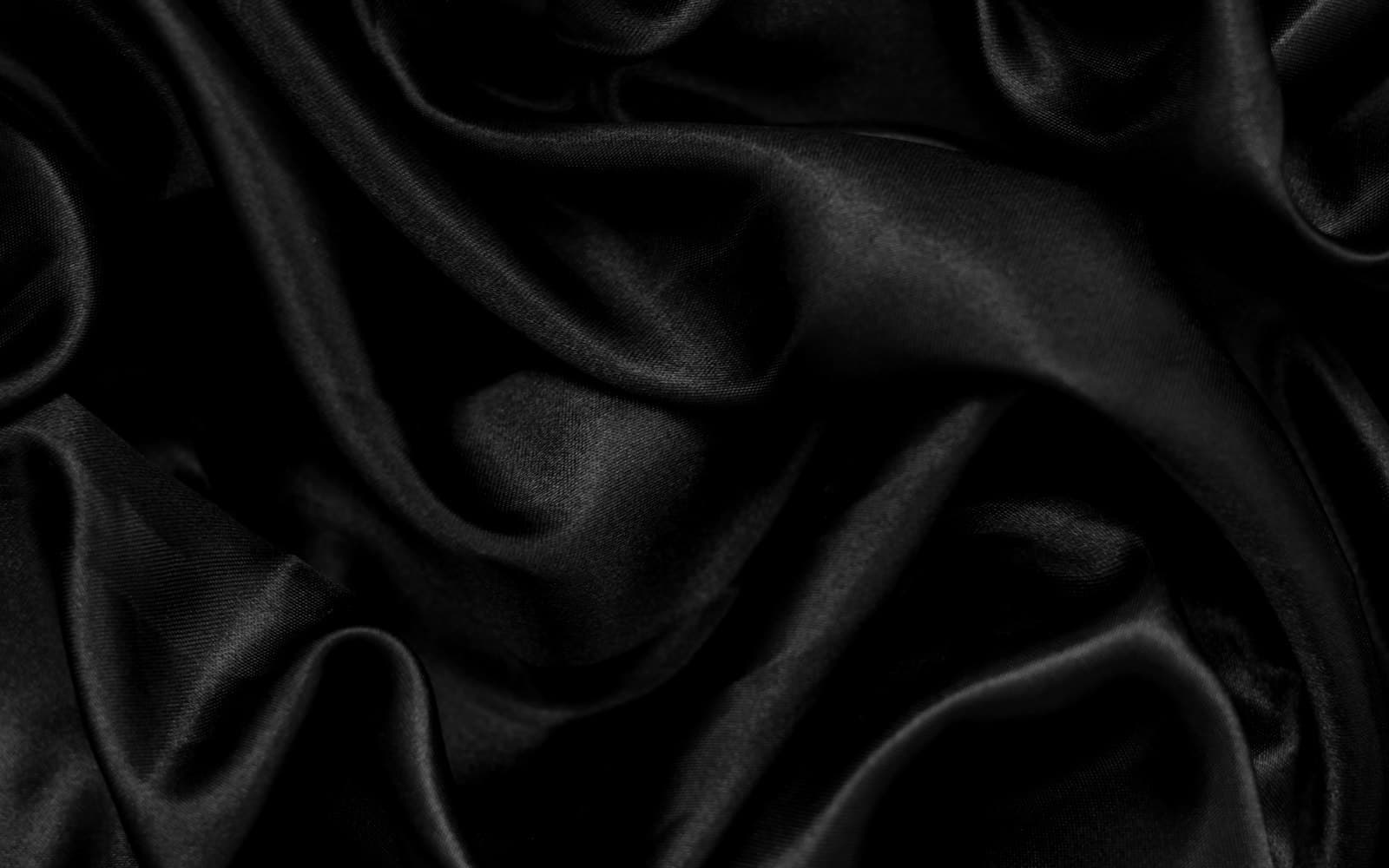
On the cork board in our atelier hangs a scrap of silk the size of a palm. Next to it: a photograph torn from a magazine — light falling through half-closed shutters — a piece of lace with an unfinished edge, and a card with a single word written in pencil. In a few months these fragments will become a set that someone lifts out of its box and wears for the first time. For now, it is only a hunch.
We have already written about what a day in our atelier looks like — the machines, the hands, the silence before the first seam. This time we step further back: to the moment when the collection does not yet exist. It is the longest and least visible stage of our work. No product photo shows it; no label mentions it. Which is perhaps exactly why it deserves telling.
The moodboard: sorting through hunches
A collection does not begin with a sketch. It begins with gathering: photographs, scraps of cloth, single sentences copied out of books, sometimes a colour remembered from someone's apartment at dusk. For a few weeks all of it lands on one board — unfiltered, unjudged. Only when the board grows full does the subtracting begin. We take down everything that sounds like someone else's idea, everything that is merely pretty, and everything that could never be sewn in silk. What stays is what keeps coming back: a particular tension between dark and light, a certain kind of line, a temperature of light.
Around then, the name arrives. A working name, sometimes an accidental one — but from the moment it is spoken aloud it works like a compass. Every later decision, from the shade of the thread to the cut of a neckline, is tested against a single question: is this still that story? If something needs explaining to fit, it usually means it doesn't. Only from a board pruned this far do the first drawings appear: a few pencil lines, a silhouette, the path of a seam. A lingerie sketch is deceptively simple — the less fabric there is, the fewer places there are to hide a mistake.
Silk is chosen with the fingers
Suppliers' catalogues look beautiful, but you cannot decide on a fabric from a screen. We order swatch books: squares of silk in different weights, weaves and finishes. They are judged in the hands — how the fabric falls, how it creases, how it behaves when twisted, how it sounds as it slides between the fingers. A lighter charmeuse flows, but can be temperamental under the needle; a heavier one holds its shape yet loses the weightlessness that is half the pleasure of lingerie. The choice is always a compromise, and we always make it by touch, never by chart.
With lace we are more careful still. We test it from the inside — the side that actually touches skin. An edge that looks breathtaking in a photograph can scratch with every breath. It is out, no discussion. We also check how the lace carries tension: whether it stretches with the body or resists exactly where it should give.
Once a fabric is chosen, we order short lengths for prototyping. And here comes a detail rarely talked about: the dye lot. The same colour number can shift in shade from vat to vat — subtly, but visibly; two halves of a set cut from different lots can simply fail to match. So we reserve the fabric for an entire series from a single lot. It is one of the quiet advantages of working small: our whole series fits within one dyeing, so a set bought today and one bought a season later are exactly the same colour.
The toile, which doesn't have to be beautiful
The first version of a new design is never made of silk. We sew a toile — a trial piece in inexpensive fabric of similar weight, unadorned, often with the seams facing outwards so they are easier to unpick and move. A toile tends to be ugly, and it is supposed to be. Its job is not to charm but to answer questions: do the proportions work, does the side seam run where it should, does the neckline gape when you lean forward.
We fit on several silhouettes, not on a single sample size. It is a decision that adds weeks to the work, but without it we would be designing lingerie for one person. A different torso length, a different bust spacing, a different hipline — any of these can expose a flaw in the construction that a single body would never reveal. The fitting itself looks unremarkable: a few minutes of walking, sitting, talking about something else entirely — because the body tells the truth about lingerie only once it stops thinking about it. A design that moves forward has to sit well on every one of those silhouettes. Not tolerably. Well.
Millimetres you feel with your whole body
Then comes the stage that from the outside looks like standing still: successive versions of the same design, differing in details at the edge of the visible. The strap anchored five millimetres further in. The underbust elastic a centimetre looser. The angle of the lace at the thigh changed by a few degrees. On a hanger the versions look identical. On a body, they don't.
Between a strap that slides off the shoulder and one that stays put all day there are often five millimetres of difference.
The comfort of lingerie does not come from one grand decision but from a few dozen small ones, each of which has to be tested on its own: put it on, walk, sit down, reach for something on a high shelf, sleep a night in it. The notes from these tests are prosaic — “rides up when sitting”, “seam noticeable against a chair back” — and worth more than any sketch. They are what write the final construction. Sometimes, after three such rounds, a design goes back to square one, because a fix in one place breaks something elsewhere. Then we start again — with better knowledge and less sentiment.
The decision: this one is ready
There are no fanfares. There is a fitting after which the page of notes stays empty — the first in the design's history. Then we do one more, a control fitting, on a different silhouette. If that one brings no corrections either, the design receives its final specification: seam layout, allowances, order of operations, the type of stitch at every join. From that moment nothing changes “while we're at it”. Ready means ready.
And the prototypes? The toiles go into the archive — they are the record of the construction we return to with later designs. The silk pieces from the final iterations keep working: they are what we use to test washing, drying and how the fabric behaves after months of wear. Rejected versions are cut up into seam and finish samples. None of it is ever sold — a set that has not passed every fitting simply does not exist as a product.
Small scale as a choice, not a constraint
This whole process makes sense only because we work at an intimate scale. A short series fits into one dye lot. Every design passes through the same hands that sewed its prototypes. When feedback reaches us after a launch, we can act on it — not in a year, with some future collection, but in the very next series. We do not sew for a warehouse or guess demand in the thousands, so no set ends its life as a markdown nobody wanted. Large scale forgives mistakes because it dissolves them in a sea of units. Small scale forgives nothing — and that is its greatest advantage.
The scrap on the cork board eventually disappears from it — it becomes a set, a label, a box. But before that happens it travels a road no product photo shows: through swatch books, a toile, dozens of fittings and pencil notes in the margins of a specification. If you ever hold one of our sets in your hands, know that you are also holding everything that never made it to sale.