
Lifestyle
Silk on the Road: How to Pack Delicate Fabrics So They Arrive Without a Crease
7 min read
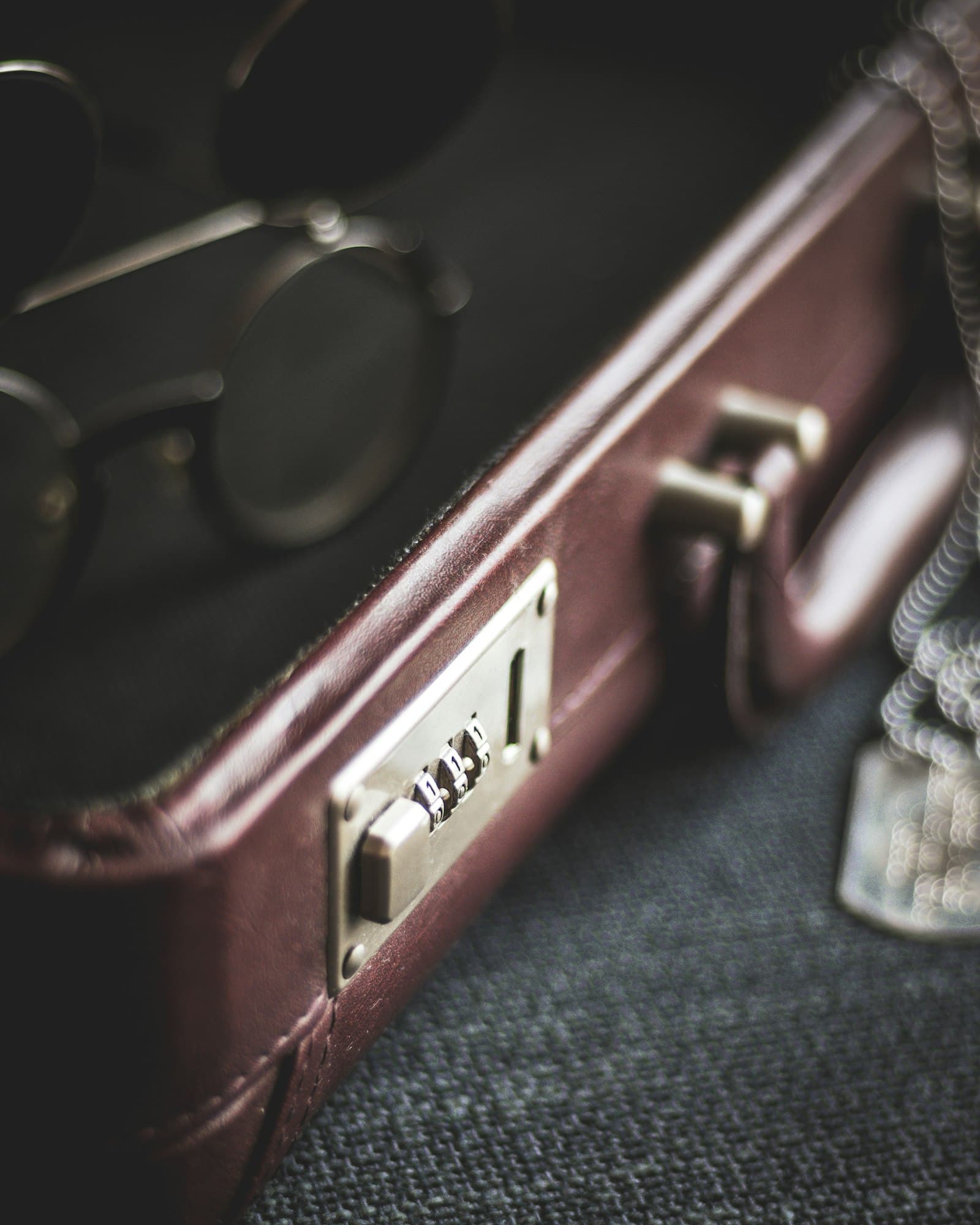
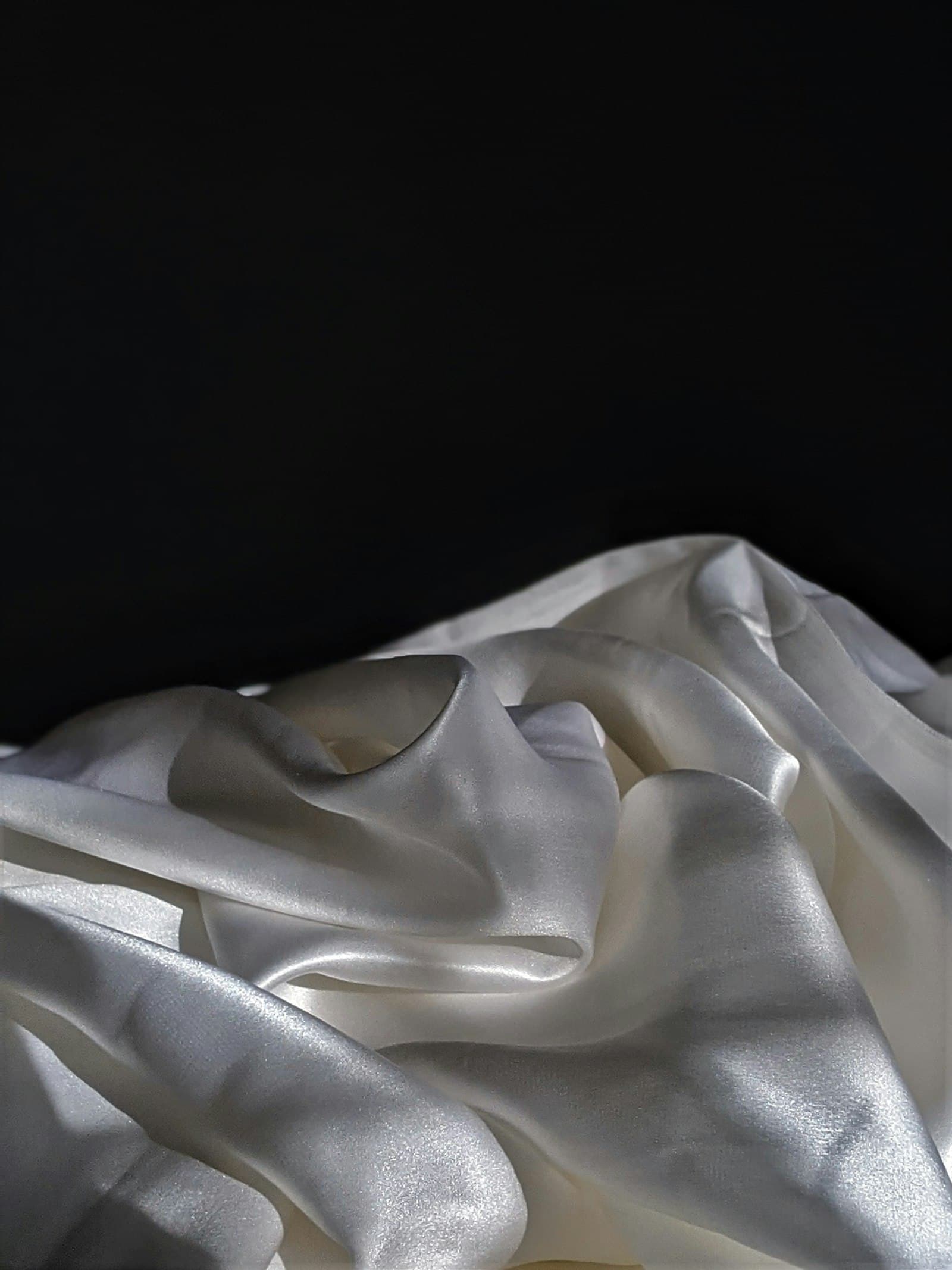
There is a moment in every trip when a suitcase stops being luggage and becomes a forecast of the evening. You open it in a hotel room, and more depends on what you find inside than anyone likes to admit. A crumpled dress can ruin a dinner you waited half a year for. A smooth, cool nightgown, lifted from the case as if it had just come off the hanger, makes a strange room feel a little bit yours within minutes.
Delicate fabrics don't ask for much. They don't need a suitcase of their own or the ceremony of an art conservator. They ask for an hour of attention before you leave, and a few sensible gestures once you arrive. That is what this piece is about: what to do before the road, what to watch for along the way, and how to save the situation in a hotel that has no iron. Or — worse — has one.
Before you leave: a capsule instead of half the drawer
Lingerie is the smallest luggage in the world and the greatest temptation to pack too much of it. Yet a week away truly fits into a single pouch: three everyday sets, one for evenings that like to surprise, one silk nightgown — and, if the trip is to be good at night as well, your own pillowcase and a sleep mask. That's all. A capsule works because every piece in it has a job, and nothing travels “just in case”.
Choose colours that cooperate: black, ivory, the shade of your own skin. Three are enough to make sure no pairing ever looks accidental — and that no decisions need to be made at dawn in the half-light of a hotel room. A capsule is not asceticism. It is the luxury of not having to choose.
So, for a week in one pouch:
- three everyday sets in colours that mix,
- one evening set — the one you feel best in,
- a silk nightgown, rolled in tissue paper,
- a pillowcase and a sleep mask,
- two cotton pouches: one for clean things, one for laundry.
Roll, don't fold
A fold creates an edge: a sharp line along which the fabric remembers pressure. Rolling spreads that pressure over a gentle curve, so the silk has nowhere to break. Lay the nightgown face down on the bed, smooth it with your palm, fold the straps inward and roll loosely from the hem upward, without pressing. You want a soft roll, not a tight scroll.
Slip a sheet of acid-free tissue paper between the layers — the same paper carefully packed purchases arrive in. Tissue does two things: it reduces friction, so the fabric glides instead of creasing, and it keeps moisture away from the fibre. Place the finished rolls at the very top of the suitcase, never under shoes or a cosmetics bag. Silk loses every fight for space — so simply give it the space first.
A crease is the fabric's memory of the hurry in which it was packed.
Lace prefers the dark: cotton pouches
The greatest enemy of lace in a suitcase is not crushing but snagging: a zip, a strip of velcro, a belt buckle, the hinge of a pair of glasses. That is why everything openwork travels in cotton pouches — soft, breathable, tied shut. Plastic zip bags look practical, but they trap moisture; cotton lets the fabric breathe and carries no static.
Before you tie the pouch, fasten the hooks of every bra. Left open, they can pull a ladder from stockings and a thread from lace in the course of a single journey. Pack sets together, in pairs — in the morning you won't be digging through the suitcase for the other half.
On the way: what to keep with you
If you fly, take the delicate things into your carry-on. Not because the hold would harm them — because suitcases sometimes land on a different continent from their owners. You can buy shampoo anywhere in ten minutes; nothing in an airport mall will replace your favourite nightgown.
Pack cosmetics and perfume separately, sealed, and doubled. Changes in pressure open bottles with surprising ease, and a single drop of oil on silk stays forever. Keep the sleep mask in a pocket, not at the bottom of the bag: sleep on a plane is hard enough without a search party.
In a train or a car one rule applies: shade. A hot boot is a sauna, and silk copes badly with hours of humid heat — keep the bag with delicate things in the cabin, away from a window the sun pours through all afternoon. Dyes on natural fabrics fade faster than a road-trip playlist runs out.
Once you arrive: shower steam instead of an iron
The first ten minutes in the room belong to the suitcase. Unpack the delicate things at once, even if the rest of the luggage waits until morning — the shorter the fabric lies rolled, the less it has to remember. Hang the nightgown on a hanger; if the rail is metal and cold, drape a hotel towel over it first.
For creases there is a method older than travel irons: run the hot water, close the bathroom door, hang the silk away from the spray and give it a quarter of an hour in the steam. Silk fibre is naturally elastic — in warm humidity it relaxes and the creases simply let go. Then leave the piece hanging overnight: by morning the journey will have left no trace.
Leave the hotel iron in the wardrobe. You don't know its history: the temperature its soleplate remembers, or the water waiting in its tank. If you truly must — press through a cotton cloth, on the lowest setting, on the reverse of the fabric, and without steam. But nine times out of ten, the bathroom does the job better.
Hand-washing on the road
The rule is simple: cool water, a few minutes, a gentle agent. In the travel version, a little mild shampoo dissolved in the basin is enough — silk is a protein, like hair, and enjoys similar care. Submerge, move the fabric through the water, rinse. No hours of soaking, no rubbing, no wringing.
Drying is where most mistakes are made, and the solution lies folded beside the bath. Spread the wet piece on a towel, roll the two up together and press with your palms: terry cloth will take most of the water in a minute. Then lay the silk flat or hang it, away from sun and radiator. By morning it will be dry — silk dries faster than anything else in your suitcase.
A sleep ritual that fits in one hand
A hotel smells of someone else's detergent and glows with someone else's light. Two small things restore order: your own pillowcase and an eye mask. A silk pillowcase pulled over the hotel pillow is a familiar temperature and a smoothness that leaves your hair looking, come morning, as if the night had been calmer than it was. The mask shuts out the city lights, the gap under the door and the early dawn of an unfamiliar latitude.
This is not a whim; it is an anchor. The body falls asleep more easily among signals it knows — and touch is the oldest of them. The whole ritual weighs less than a book and takes up as much room in the suitcase as a folded scarf.
Coming home
The way back obeys the same laws, however tempting it is to simply stuff everything in. Keep the things bound for the laundry in a separate cotton pouch, away from the clean ones; and once home, don't leave them at the bottom of the basket — traces of creams and perfume set with time.
And the journey itself? Silk endures it better than intuition suggests. This fabric spent thousands of years crossing deserts in caravans and oceans in ships' holds — a week by the sea holds no terror for it. An hour of attention before the suitcase closes is enough. Everything after that is simply travel: a new city, a different light, and an evening it was worth packing carefully for.